

What Does Your Lipstick Color Say About You? A Breakdown of Every Shade's Vibe
There is a reason the lipstick industry refuses to slow down regardless of the economic climate. The global lipstick market was valued at $17.5 billion in 2024 and is expected to grow at a CAGR of 4.7% from 2025 to 2030, reaching $23.8 billion by 2030. That kind of sustained demand signals something deeper than mere aesthetics. Women are not simply buying color; they are buying emotion, identity, and a version of themselves they want the world to see. Therefore, understanding what each shade communicates is one of the most practical, emotionally intelligent moves you can make in your beauty routine.
Lip color psychology is the study of how different lip colors can affect perception, influence social interactions, and convey different messages about an individual's personality, confidence, and intentions. The shade you reach for each morning is rarely random. Lipseek's emotional well-being research describes it as an act of alignment, choosing the psychological state you want to activate for the day ahead.
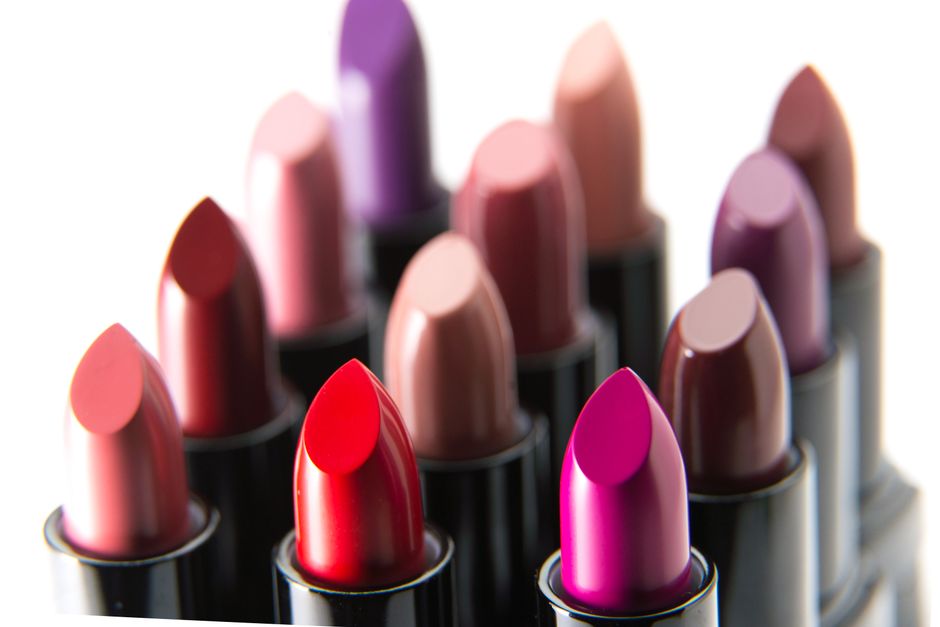
Key Takeaways
-
Your shade is a signal, not just a style choice: According to psychology, the color of lipstick that a woman wears can reveal a lot about her personality, mood, and emotional state. Use that knowledge deliberately.
-
Red is the single most researched confidence color: Dr. Jennifer Baumgartner psychologist and author of You Are What You Wear, notes that red is about owning strength that already exists in the wearer; it amplifies rather than creates confidence. Reach for it before high-stakes moments.
-
Pink and nude are emotionally grounding: Pink and nude shades carry their own emotional utility; they are grounding rather than activating, and work well on days when steadiness and warmth are what you need.
-
Dark shades communicate depth and independence: The bold and the fearless should wear dark lipstick, whether a striking black shade or a deep plum. It communicates self-assurance and a desire to stand out, and people who wear dark lipstick tend to be risk-takers and pioneers in their own right.
-
Wearing makeup with intention produces measurable psychological benefits: People wearing makeup consistently rate their own confidence higher and report feeling more prepared for social and professional interactions, an effect present even when the makeup change is subtle and unlikely to be noticed by others.
Quick-Start Prioritization Framework
Use this table to match your intention for the day to the shade most likely to support it. The goal is alignment: choose the shade that matches the psychological state you want to activate, not simply the one that matches your outfit.
| Shade | Best For | Emotional Signal | Time to Impact |
|---|---|---|---|
| Red | High-stakes days, interviews, leadership moments | Confidence, authority, passion | Immediate |
| Soft Pink | Collaborative settings, first meetings | Warmth, approachability, openness | Immediate |
| Hot Pink / Fuchsia | Social events, creative environments | Playfulness, extroversion, energy | Immediate |
| Nude | Professional settings, everyday polished looks | Sophistication, groundedness, elegance | Immediate |
| Coral / Orange | Team days, summer energy, casual confidence | Sociability, warmth, optimism | Immediate |
| Berry / Plum | Evening events, creative industries, date nights | Mystery, depth, sophistication | Immediate |
| Burgundy / Deep Red | Boardrooms, formal occasions, ambition moments | Strength with reserve, status | Immediate |
| Dark (Black, Deep Purple) | Creative fields, self-expression, bold events | Individuality, independence, edge | Immediate |
Start here if you are:
-
New to intentional color choices: Nude or soft pink, both are psychologically low-risk and consistently read as polished and approachable.
-
Preparing for a high-stakes moment: Red, backed by more research than any other shade for projecting authority and commanding attention.
-
Expressing your creative identity: Berry or coral, both signal depth and energy while still reading as socially engaged.
The Science Behind Why Your Lipstick Color Communicates Who You Are
Color Psychology Is Real, Documented, and Practical
Before breaking down individual shades, it helps to understand why color communicates anything at all. In color psychology, red is commonly associated with passion, excitement, and strong emotions like love and anger, while pink is often linked to femininity, softness, and tenderness, and purple is frequently connected to creativity, royalty, and luxury. These associations are not arbitrary. They are built from centuries of cultural meaning, biological responses, and social conditioning.
The choice of lipstick shade often reflects one's emotional state, with bold reds symbolizing confidence, while softer pinks evoke a sense of playfulness. The emotional resonance of color plays a pivotal role in the lipstick selection process, acting as a personal statement that communicates feelings and moods without uttering a word.
Enclothed Cognition: Why Wearing the Right Shade Changes How You Feel Inside
The psychological effect of lipstick runs deeper than how others perceive you; it changes how you perceive yourself. Enclothed cognition refers to the systematic influence that clothes can have on the wearer's feelings, thoughts, and behaviors through their symbolic meaning. Research published in the research on enclothed cognition by Adam and Galinsky confirmed this principle: what you wear on your body, including your face, shapes what you believe about yourself.
Research by Nash and colleagues published in the International Journal of Cosmetic Science, found that people wearing makeup performed better on tasks requiring sustained attention and confidence, with consistent improvement across no-makeup, light-makeup, and full-makeup conditions. The takeaway is direct: apply your lipstick with purpose. The color you choose is a cue to your own nervous system as much as it is a cue to anyone watching.
Pro Tip: Build a three-shade rotation, a power red for high-stakes days, a warm nude for collaborative or creative environments, and a deep berry for moments when you want to project sophistication without the full intensity of red. Three tubes cover almost every emotional and professional context.
Red, Pink, and Every Warm Shade: The Bold End of the Spectrum

Red: The Original Confidence Amplifier
Red is a bold and powerful color, and wearing red lipstick can make you feel confident and assertive. According to psychologists, red is associated with dominance and power, and wearing red lipstick can make you appear more attractive and commanding.
Red lipstick became a tool for self-expression, a statement of confidence and rebellion, empowering women to step into the public eye with a bold, unapologetic attitude. That cultural history is not lost on the modern wearer. When you put on red, you are connecting to a lineage of women who chose to take up space.
According to YourTango's analysis of lipstick color psychology, if red is your go-to color, it means you are creative, bold adventurous, passionate, and confident enough to walk around in a shade that draws attention. You are daring and ambitious, and won't let things like convention slow you down.
Pro Tip: Reach for red before a job interview, negotiation, or presentation, and go in knowing the shade is already doing part of the work for you.
Pink: From Soft and Warm to Bold and Playful
Pink covers more emotional ground than any other shade family, and the sub-shade you choose matters enormously. Light and medium pink shades are understated but classically feminine. Favoring this color can indicate that you are gentle, warm, kind, and intuitive, while cooler pink shades might mean you are more reserved.
In professional settings Dermaliscio's lipstick psychology research confirms that soft pink can help convey a warm, approachable demeanor without appearing confrontational, a meaningful distinction in environments where relationships matter.
Hot pink and fuchsia operate in an entirely different register. Hot pink is a fun color that reflects an energetic and outgoing nature. Wearers like attention and are not shy to show their wild side. The extrovert in them makes friends wherever they go and their playful and bright nature is fun for everyone.
The choice of a matte or glossy finish also impacts overall perception, with a glossy finish appearing more playful. When women wear pink lipstick, they are often sending a message that they embrace their femininity and are comfortable with their gender identity. Wearing pink lipstick can also be a form of self-care and self-expression, allowing women to present themselves in a way that feels true to themselves.
Coral and Orange: The Warmth Broadcasters
If you gravitate toward coral or orange lipstick, you are likely an adventurous spirit who loves to have fun. Bright shades of coral suggest you have a lively, energetic personality, which is why you are typically the life of the party.
Coral is a cozy and welcoming color option for lipstick. It implies sociability, friendliness, and an eagerness to form connections with others. Coral-clad individuals frequently exude warmth and friendliness, making them approachable and easy to talk to.
According to Park Magazine NY's color psychology analysis, bright colors like red and coral are perfect for making a statement, while softer shades like nude and pink offer a more subtle, elegant look. Reach for coral on a day when you want to radiate optimism and invite conversation; it signals that you are open for business, socially speaking.
Nude, Berry, and Dark Shades: The Quiet Power Moves
Nude: Sophistication Dressed Down
Nude is the most underestimated shade in any collection, which is, paradoxically, what gives it its power. Nude signals professional groundedness and lets your competence lead.
The significance of nude lips extends beyond aesthetic appeal. According to research published in the Journal of Cosmetic Dermatology, nude lip colors can psychologically influence perception by creating an impression of natural beauty and understated elegance.
The key components of nude lipstick are simplicity, sincerity, and a natural appearance. Choosing nude tones communicates that you value practicality above performance and are at ease in your skin. A woman who chooses nude has already decided she does not need the room to know she arrived. That quiet confidence reads louder than any bright shade.
Berry and Plum: Depth, Mystery, and Creative Authority
Berry lip shades are passionate enchanting, and transformative. They are perfect matches for introverted, artsy personalities who strive to be taken seriously, and when applied, shades in this family tend to speak for themselves.
The choice of lipstick shade often to showcase their boldness, confidence, and sophistication through a single swipe. It serves as a powerful tool for self-expression, enabling wearers to communicate their style and attitude without uttering a word.
As color psychology expert and stylist Elizabeth Kosich writes, as cited by YourTango, "Plum lips are sometimes just as dark and stormy as the wearer. Those who choose raisin-colored lipsticks project an air of sophistication, intrigue, and sensuality that makes others notice. This woman is intellectual, classy, and mysterious, and she expects others to take her as seriously as she takes herself."
Burgundy: Ambition with Reserve
According to color psychology analysis of burgundy symbolism, burgundy personalities are ambitious, intuitive, and serious, wearers who value individuality alongside status. Burgundy, like red, is a take-charge, ambitious color, rich with strength and force, and can sometimes even be intimidating.
The key difference between burgundy and red: deep berries and rich plums can exude sophistication and mystery, perfect for making a statement in creative industries. Burgundy projects the same drive as red but with more reserve and depth behind it, ideal when you want authority without aggression.
Dark Shades: Radical Individuality
The key components of nude dark lipstick, whether a striking black shade or a deep plum. It communicates self-assurance and a desire to stand out. People who wear dark lipstick tend to be risk-takers and pioneers in their own right.
Women who love these deep and moody shades are most likely to have a seriously adventurous streak. They'd rather play risky than safe, love challenges, and are ambitious, driven, and independent. Dark wearers are rarely trying to fit in, and that's precisely the point.

Common Mistakes When Choosing a Lipstick Shade
Matching Outfit Instead of Intention
The most common mistake is treating lipstick as a neutral accessory to complete an outfit. The key decision is alignment choose the shade that matches the psychological state you want to activate, not simply the one that matches your outfit. An outfit can be changed, the emotion you carry into a room cannot.
Ignoring Undertone
A nude shade that clashes with your skin undertone will undermine everything the color is supposed to signal. By choosing a nude shade that complements your skin tone, you can enhance your natural beauty while exuding sophistication and elegance, whether heading to a professional setting or a social gathering. Warm undertones pair with peachy nudes; cool undertones work with pink-beige nudes.
Assuming Bolder Shades Are Always More Powerful
In general, bolder, more glamorous lipstick colors tend to be associated with powerful traits, while more natural hues are associated with warmer personality signals. Neither is superior; they are different tools for different jobs. Nude can project more authority than red in a setting that rewards warmth and trust.
Pro Tip: Experiment with finishes: matte lipsticks often convey more power, while glossy finishes can add a touch of approachability. If you want the boldness of red with a softer edge, go glossy rather than matte.
A professional makeup artist walks through how skin tone should guide your shade selection, which helps illustrate where many common choices go wrong.
How Lipstick Connects to Confidence: The Emotional Case
In my experience, the women who wear lipstick with the most impact are not the ones who wear the boldest shade; they are the ones who wear it with conviction. The shade becomes secondary to the intention behind it.
The choice of lipstick shade often individuals can tap into the emotions they desire to express or embody, providing a sense of control over their self-image and personal identity. That sense of control is not trivial. It is the difference between dressing reactively and dressing with agency.
I've found that building even a small, deliberate lipstick wardrobe, three or four shades with a clear purpose for each, changes not just how you show up in a room but how you decide to walk in. Tools like Lipseek are designed around exactly this idea: that the relationship between a woman and her lipstick is emotional first, aesthetic second.
The lipstick theory explains the psychological effects of purchasing a high-end lip product; by displaying a prestige lip product in public, the consumer's confidence increases. That confidence is real. It is not vanity; it is a form of self-authorship.

Frequently Asked Questions
What does wearing red lipstick say about your personality?
Red is a bold and powerful color, and wearing red lipstick can make you feel confident and assertive. According to psychologists, red is associated with dominance and power, and wearing red lipstick can make you appear more attractive and commanding. If red is your regular go-to, you are communicating that you lead from the front and own your presence.
Is there a "most professional" lipstick color?
Different shades of lip color can significantly impact perception, with red lips often associated with confidence and sensuality, pink hues with youthfulness and approachability, and nude tones with sophistication and professionalism. For most traditional professional settings, a soft pink or well-matched nude reads as the most universally polished choice. For leadership or negotiation contexts, red carries the strongest authority signal.
Can the finish (matte vs. glossy) change what my lipstick communicates?
Yes, significantly. A bright pink can signal confidence and boldness, while a light pink can evoke innocence and youthfulness. The choice of a matte or glossy finish can also impact the overall perception, with a glossy finish appearing more playful and a matte finish appearing more sophisticated. The color sets the general tone; the finish fine-tunes the exact message.
Does the color I choose really affect how I feel, or just how others see me?
Both. Wearing red lipstick can actually boost your mood and confidence. This phenomenon, known as the "lipstick effect," suggests that the simple act of applying a bold lip color can have a positive impact on your mental state. The psychological benefit belongs to the wearer first, not the observer.
What does it mean if I change my lipstick color often?
Lipstick is a form of non-verbal communication that you can use to convey your personality, emotions, and intentions to the world. Personal style is changeable, and you can choose different lip colors to symbolize various aspects of your multifaceted personality. Rotating shades with intention is a sign of emotional range and self-awareness, not inconsistency.
Sources
-
Lipstick Color Psychology: What Your Shade Says, Lipseek. Emotional well-being and intentional shade selection. https://lipseek.com/blogs/news/lipstick-color-psychology
-
Wearing Lipstick to Feel Powerful, Lipseek. Science behind lipstick and confidence. https://lipseek.com/blogs/news/wearing-lipstick-to-feel-powerful
-
The Psychology of Lip Color: How Different Shades Affect Perception, Park Magazine NY. Cultural and psychological breakdown of shades. https://parkmagazineny.com/the-psychology-of-lip-color-how-different-shades-affect-perception/
-
What Your Favorite Lip Color Says About Your Personality, YourTango. Color psychology and personality profiles. https://www.yourtango.com/self/what-favorite-lip-color-says-about-personality-psychology
-
Evaluating the Evidence for Enclothed Cognition: Z-Curve and Meta-Analyses, Journals of Personality and Social Psychology Bulletin. Academic research on appearance and self-perception. research on enclothed cognition by Adam and Galinsky
-
Makeup Psychology: What Wearing Makeup Does to Confidence, ThoughtsAndReality. Research synthesis on makeup and psychological performance. https://thoughtsandreality.com/makeup-psychology/
-
The Lipstick Effect and the Psychology of Color, FasterCapital. Shade selection psychology and consumer behavior. The choice of lipstick shade often
-
Lipstick Colors and Personalities, Elizabeth Kosich Styling. Color psychology and personality matching. https://elizabethkosichstyling.com/styletopia/blog/lipstick-colors-and-personalities
-
What Your Lipstick Color Says About Your Personality, Moon Emissary. Shade personality archetypes. https://www.moonemissary.com/moon-emissary-beauty/lipstick-personality
-
The Psychology of Lipstick: What Your Lip Colour Says About You, TheWill Downtown. Six-shade personality breakdown. The key components of nude
-
Unlock Your Best Look by Understanding the Psychology of Color in Makeup, 100% Pure. Emotional associations of makeup shades. https://www.100percentpure.com/blogs/feed/unlock-your-best-look-by-understanding-the-psychology-of-color-in-makeup
-
Your Lipstick Color Says About Your Personality, Dermaliscio. Pink and red lipstick psychology research. https://dermaliscio.net/uncategorized-en/your-lipstick-color-says-about-your-personality-red-or-pink/
-
What Your Lipstick Shade Says About You, The Beauty Gypsy. Color psychologist analysis of dark shades. https://thebeautygypsy.com/lipstick-shade-say/
-
Lipstick Market Size and Forecast to 2030, Grand View Research. Global market valuation and growth data. Grand View Research market analysis
-
The Lipstick Theory: Conspicuous Consumption and Psychology, Michigan Journal of Economics. Confidence and lipstick purchase psychology. Michigan Journal of Economics on lipstick purchase psychology
-
Lipstick Colors for Confidence: Psychology of Power Shades, Journee-Mondiale. Confidence boost research across shades. https://www.journee-mondiale.com/en/i-tried-7-lipstick-shades-heres-which-one-boosted-my-confidence-most/
-
Understanding the Nude Lip: A Comprehensive Guide, Luméra Cosmetica. Nude lip perception research including Journal of Cosmetic Dermatology findings. https://lumeracosmetica.com/blogs/news/understanding-nude-lip-comprehensive-guide